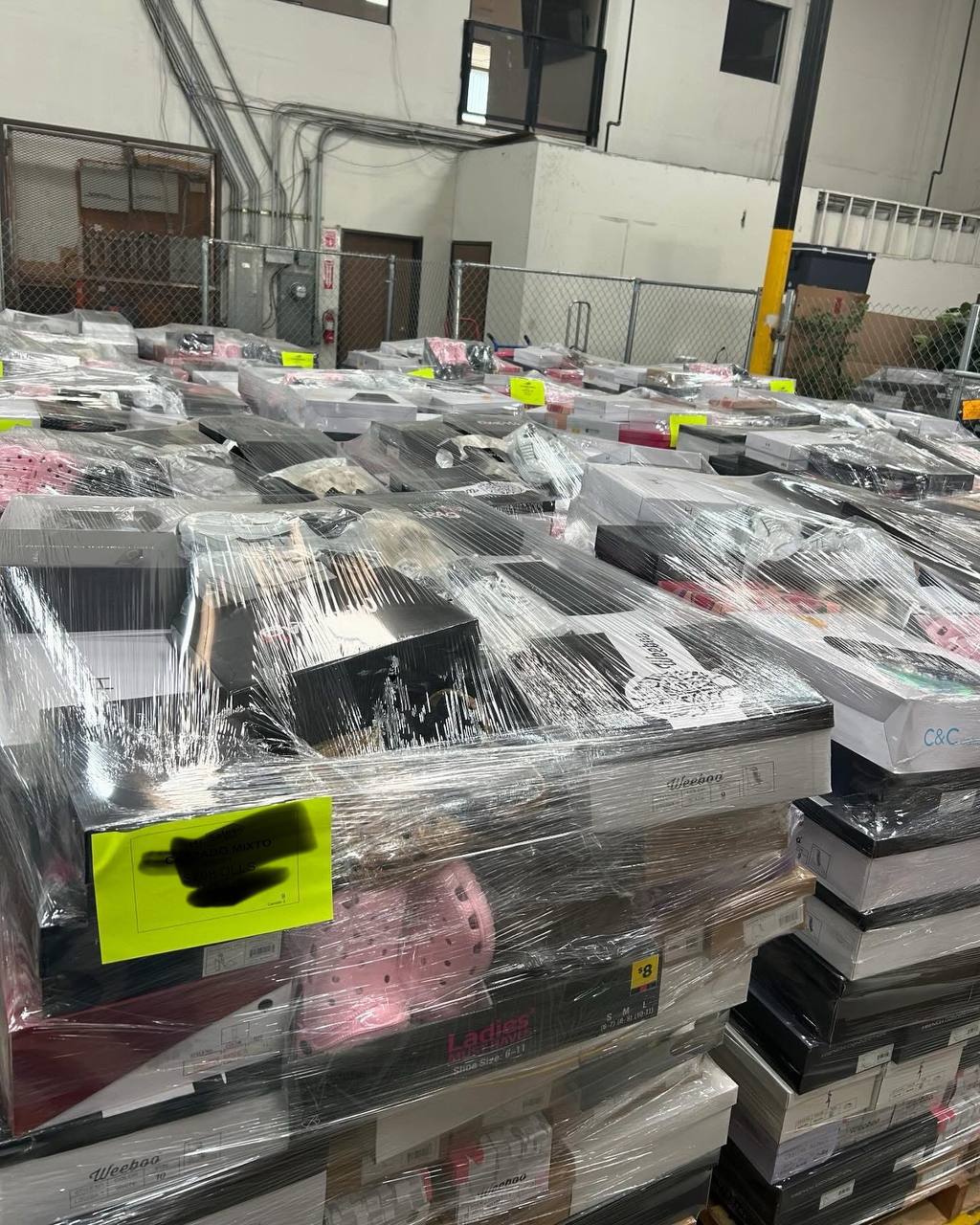
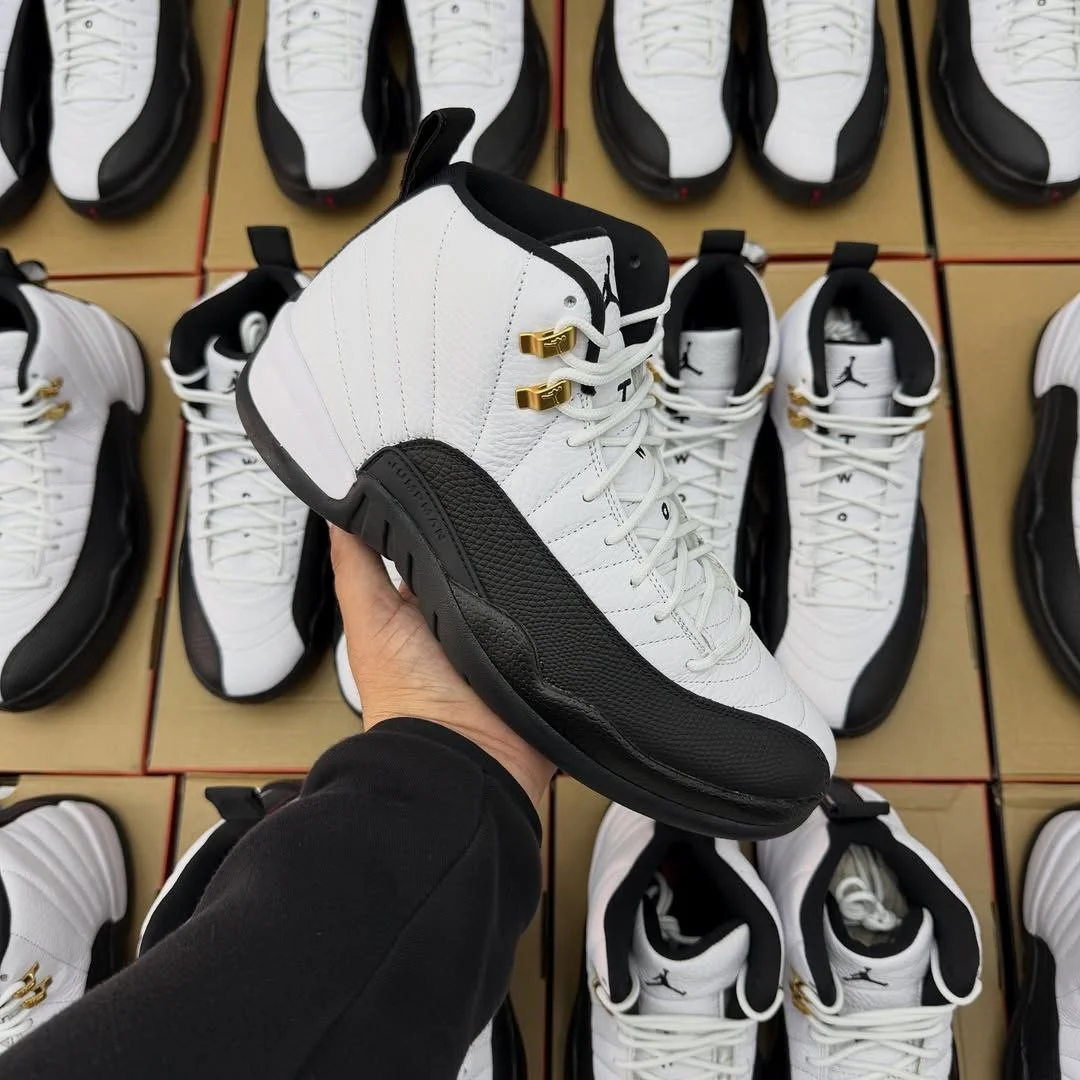
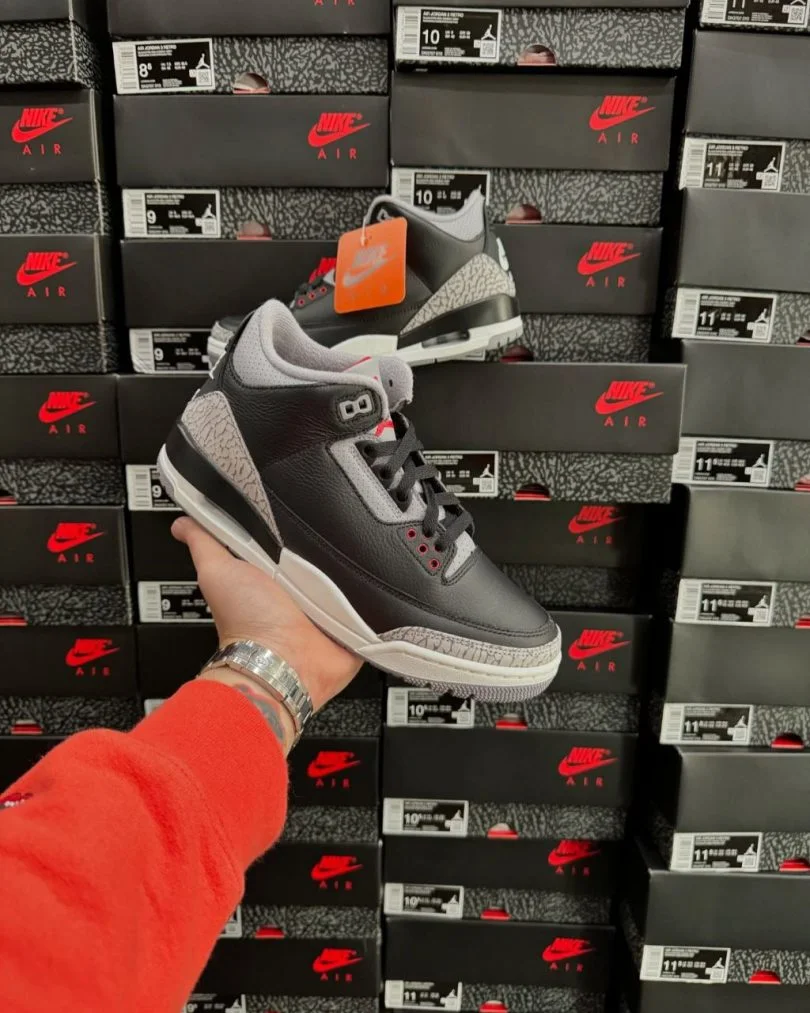
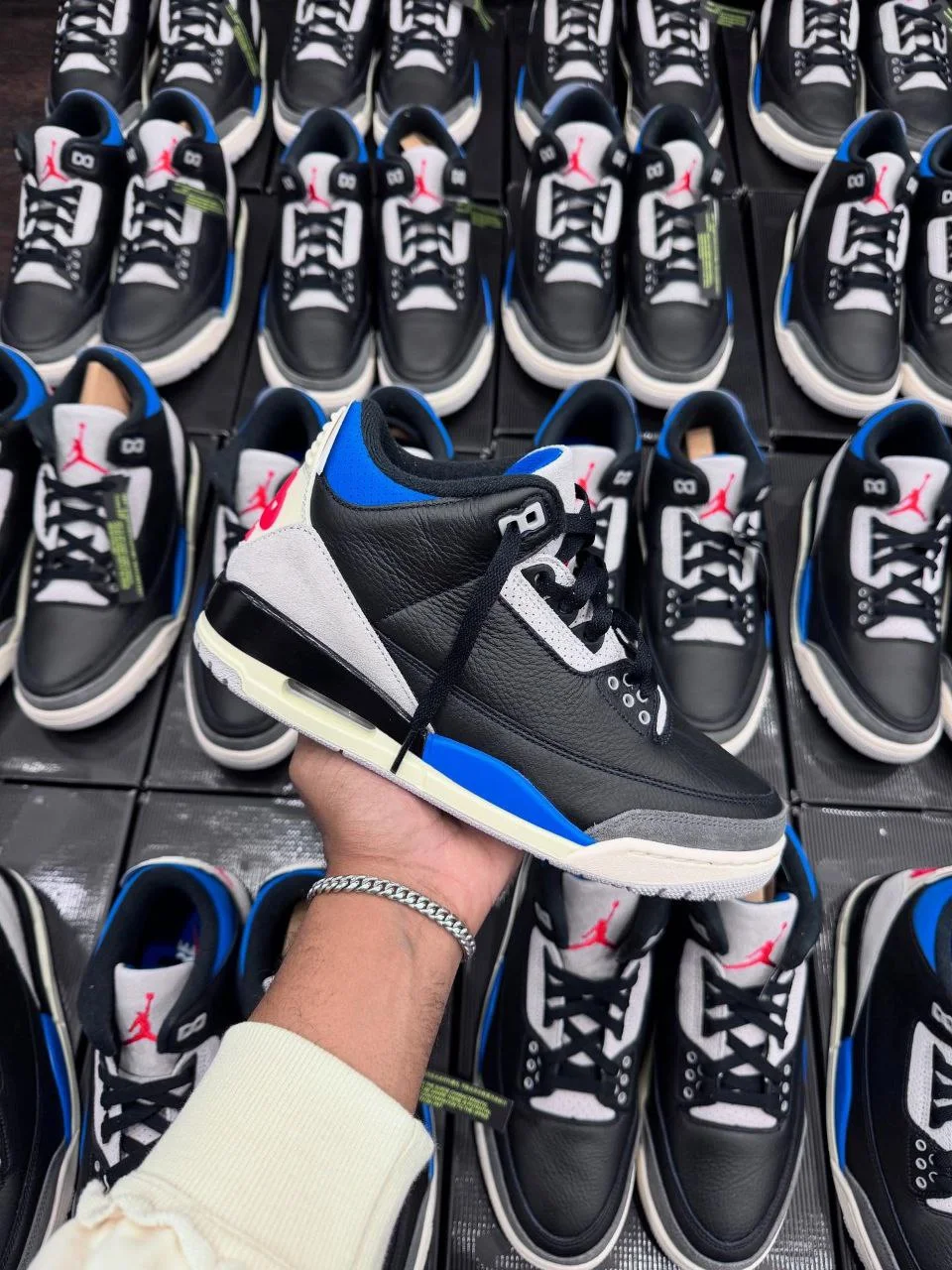

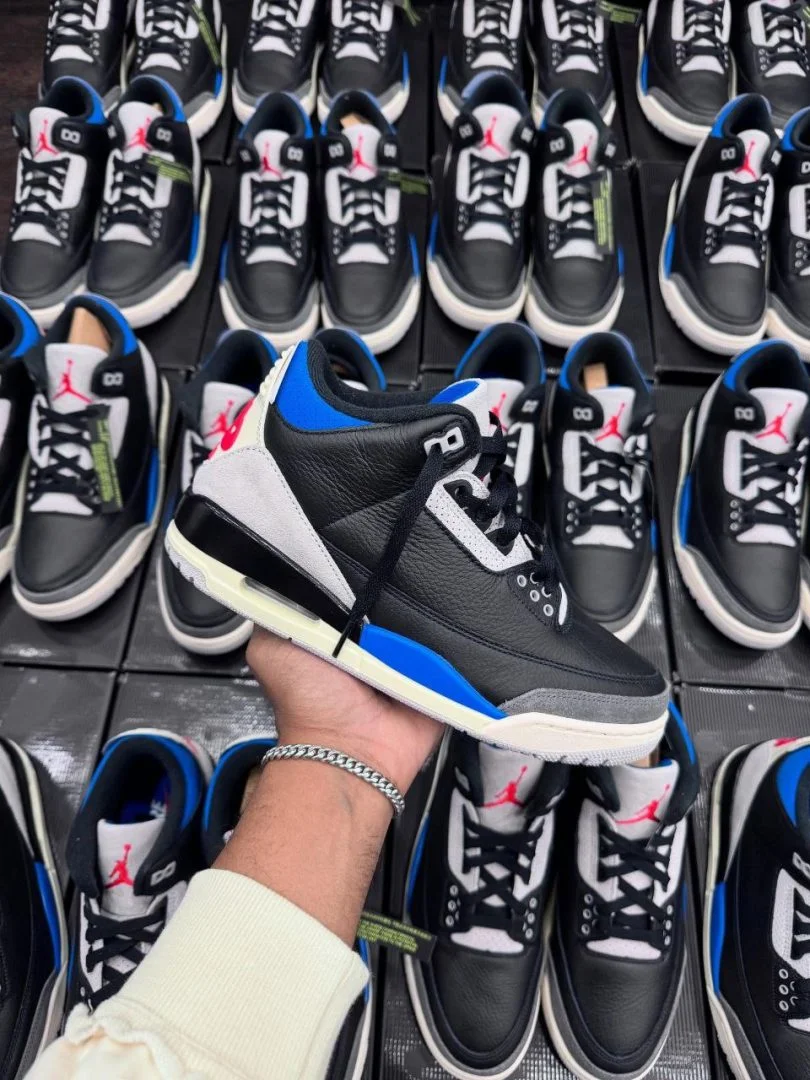
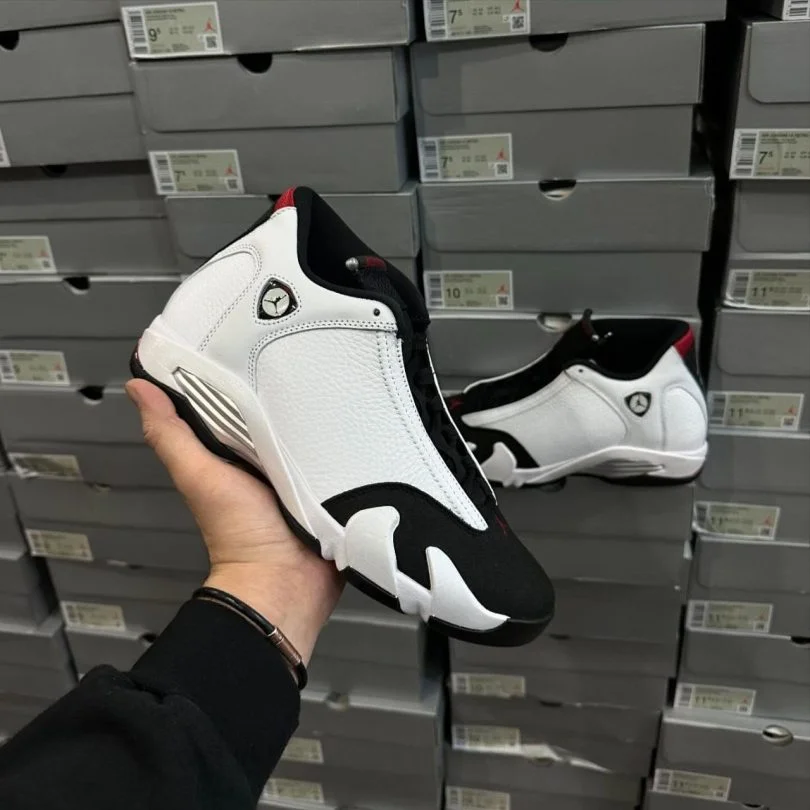
Buy Jordan Liquidation Pallets (50+ Authentic Air Jordan Pairs From ≈$550)
Original price was: $650.00.$550.00Current price is: $550.00.
Current Price: From $550
Status: In Stock – Limited Quantity
Seller: Verified Jordan Overstock Liquidator
Source: Jordan overstock, returns & shelf-pulls
Condition: Mixed – Approx. 60% Brand New, 30% Light Returns/Shelf Pulls, 10% Assorted Grade B
Colors: Mixed – Classic Black/Red, White, Multicolor Seasonal Releases
Items per Pallet: 50 pairs (Men’s & Women’s sizes)
Distribution Agreement Required: Yes
Shipping Area: United States (some international)
Detailed Breakdown by Model (Typical Mix)
Air Jordan 1 (15 to 20 Pairs)
Sizes: Men’s 7–13
Notes: Often includes Mids, Lows, and occasional Retros; high aftermarket resale.
Air Jordan 4 (8 to 12 Pairs)
Sizes: Men’s 8–12
Notes: Popular colorways such as Infrared, Military Black, or Midnight Navy appear in closeouts.
Air Jordan 11 (5 to 8 Pairs)
Sizes: Men’s 8–13
Notes: Mix of GR colorways; strong resale margins.
Air Jordan 3 (5 to 8 Pairs)
Sizes: Men’s 8–12
Notes: Cement, Fire Red, and seasonal releases show up in liquidation lots.
Air Jordan 5 (4 to 6 Pairs)
Sizes: Men’s 8–12
Notes: Includes Retro drops and special edition variations.
Youth Jordans (10 to 15 Pairs)
Sizes: GS, PS, TD
Notes: Great add-on stock for family-focused buyers and sneaker resellers.
Example Pallet Manifest (Total: 60 Pairs)
Premium Models (20 pairs)
- Air Jordan 4: 10 pairs
- Air Jordan 11: 6 pairs
- Air Jordan 3: 4 pairs
Core Retro Models (25 pairs)
- Air Jordan 1 Mid: 12 pairs
- Air Jordan 1 Low: 8 pairs
- Air Jordan 5: 5 pairs
Youth Models (15 pairs)
- Jordan 1 GS: 8 pairs
- Jordan 4 GS: 3 pairs
- Jordan 11 GS: 2 pairs
- Preschool/Toddler Mix: 2 pairs
Condition Mix
- 60 percent Brand New
- 30 percent Like-New (No major flaws)
- 10 percent Returns (Minor packaging wear)
Description
Key Takeaways
After reviewing the dynamics of the Jordan liquidation market, here are the critical points every reseller must internalize:
- The immense profitability of Jordan liquidation pallets is real, but it is predicated on managing risk and validating authenticity upfront.
- Logistics optimization (local pickup vs. freight) is a direct contributor to your final margin; never neglect freight planning.
- Use the condition grading (A, B, C) to create a multi-tiered sales strategy that maximizes both cash flow and total ROI.
- Manifested pallets offer predictability and reduced risk, making them the preferred choice for scaling your business efficiently.
- Proactive verification protocols mitigate the high risk associated with counterfeits in this specific, high-demand product category.
Ready to secure high-margin Jordan stock and scale your resale operation? Request a Quote from Largo Pallets now to review our latest manifested inventory and book your preferred freight method.
What Are Jordan Liquidation Pallets?
Jordan liquidation pallets are large bulk lots of authentic Jordan footwear sold by retailers, distributors, or third-party liquidators to recover capital from excess inventory. Unlike standard recurring wholesale orders, liquidation stock usually originates from end-of-season closeouts, customer returns, shelf pulls, or slight overstock from major retail channels. These pallets are a vital pipeline for resellers who cannot meet the restrictive minimum order quantities (MOQs) or documentation requirements of direct brand accounts.
The stock often contains a mix of popular and less-common models, varying sizes, and different conditions. Savvy buyers understand that they are acquiring a basket of potential profits, where the “hit” shoes with high market value effectively cover the cost of the slower-moving pairs. This business model thrives on volume and speed.
| Typical Source of Liquidation | Common Stock Condition | Ideal Buyer Profile |
| Major Retailer Returns | Mixed: Grade A (New) to Grade C (Used/Damaged) | Established Resellers |
| End-of-Season Overstock | Predominantly Grade A (New with box) | Mid-to-Large Wholesalers |
| Distribution Center Shelf Pulls | Grade B (New, damaged box, minor scuff) | Beginner-to-Intermediate Resellers |
Understanding the source listed in the manifest is crucial because it gives an immediate clue to the average condition and composition of the pallet. Largo Pallets prioritizes transparency in sourcing to ensure you aren’t buying blind.
Wholesale Jordan Shoes?
The term “wholesale” is often confused with “liquidation,” but the two processes have distinct business implications for serious buyers. Wholesale Jordan shoes are typically purchased directly from the brand or an authorized primary distributor, usually involving fixed pricing, stringent MOQs, and ongoing contractual relationships. This is the official supply chain.
Liquidation, by contrast, is an exit strategy for that inventory. Pricing is heavily discounted—often 40% to 70% below wholesale cost—and sales are usually final (“as-is, where-is”). While wholesale offers pristine, guaranteed stock, liquidation offers the massive discount needed for maximum resale margin. For liquidation, required documentation is generally simpler, focusing on valid business registration rather than complex brand-specific proof-of-business required for direct accounts.
Jordan Wholesale Distributors?
Distributors typically operate under strict agreements with the brand, maintaining tight control over territory and who receives product. They are the authorized pathway for new, clean stock. A liquidator, however, is often a secondary or tertiary vendor who buys mass quantities from the major retailer or distributor when they need to offload excess inventory rapidly.
Access to primary distributor stock is highly restrictive, involving long-term applications, territory limits, and defined order cadence. Liquidation provides an immediate alternative for consistent, large-volume buying without the waiting period or volume commitments.
Verified Jordan Shoes Vendors?
Mitigating the risk of purchasing counterfeit goods starts with rigorous vendor verification. Since Jordan is a high-risk brand for counterfeiting, you need absolute confidence in your source.
Here is a quick checklist for verifying a potential liquidator before placing a major order:
- Demand Proof of Sourcing: Ask for documentation showing the origin (e.g., major retailer or distributor invoice, even if redacted for price).
- Check Business Credentials: Verify the liquidator’s business registration and look for third-party testimonials or reviews outside of their direct website.
- Start Small: Always begin with a low-cost, small sample order or test lot before committing to a full pallet or truckload.
This careful approach validates the vendor’s reliability and the true authenticity of their products before you invest significant capital.
Jordan Shoes Liquidation Pallets For Sale Buy Bulk Sneakers Near Me?
Minimizing logistics costs is crucial to maximizing the profitability of Jordan liquidation pallets. For large, heavy pallets, shipping can wipe out 15-20% of your potential margin. Finding local or regional sellers is a powerful cost-cutting tactic.
| Logistics Option | Cost Implication | Timeframe | Risk Profile |
| Freight Delivery (LTL) | High initial cost, depends on freight class and distance | 3–7 Business Days | High risk of transit damage |
| Local Pickup (Your Truck/Van) | Low operational cost (fuel/time) | Same Day | Low risk, full control over handling |
| Hot Shot / Dedicated Courier | Medium/High cost, premium speed | Same Day or Next Day | Low risk, efficient for rush orders |
If you are close to our warehouse, choosing local pickup can save hundreds on a single pallet and speed up your processing time. Call Largo Pallets for Nearby Pallet Pickup Windows and Same-Day Deals now to explore inventory near you.
Why Are Jordan Shoes Pallets Popular?
The popularity of Jordan pallets stems directly from the brand’s unparalleled equity and cultural relevance. Jordan shoes are not a fashion trend; they are a cross-generational staple with sustained collector culture. This steady demand minimizes the risk of your inventory going stale.
The resale appeal is highly cross-channel: a single pallet can be broken down for sale on high-end platforms like GOAT and StockX, general marketplaces like eBay and Poshmark, and local channels. This versatility ensures a high sell-through rate.
How Massive Is The Profit Potential?
Profitability is defined by the velocity of the sale and the condition of the pair. Curated, Grade A pairs can be held for maximum value, while Grade B and C can be quick-flipped for cash flow.
A single pallet often contains several “hit” models—like an Air Jordan 1 or 4 colorway—that, sold quickly, can cover the cost of the entire pallet. The remaining inventory then becomes pure profit.
| Resale Strategy | Target Margin (%) | Sell-Through Time | Key Advantage |
| Quick Flip (Grade C/B) | 40–80% | 1–3 Weeks | Immediate Cash Flow |
| Curated Hold (Grade A) | 100–300% | 1–6 Months | Highest Single-Item ROI |
| Bulk Liquidation (Mixed) | 20–50% | 2–4 Weeks | Volume and Speed |
This systematic approach to profit mapping helps you decide which liquidation pallets align best with your current cash-flow needs.
How To Check The Condition Of Jordan Shoes Pallets?
In liquidation, transparency in grading is the foundation of trust. The condition of the shoe is the single greatest determinant of your resale value, far more than the original retail price. For footwear, grading goes beyond standard retail terms.
| Grade | Description | Resale Outlook | Actionable Guidance |
| A | New condition, original box, often overstock/shelf pulls. | Highest value, ideal for high-end platforms. | Immediate listing. |
| B | New with minor flaw (e.g., damaged box, faint scuff, missing lace tag). | Medium value, good for quick flips or minor repair. | Requires light cleaning/box replacement. |
| C | Customer returns, light wear, QC rejects, or missing original packaging. | Lowest value, best for parts or deeply discounted sales. | Focus on quick triage and bulk-lot sales. |
Reviewing the manifest’s Condition Code section is a must. Knowing you have 60% Grade A and 40% Grade B stock allows you to forecast revenue with much greater accuracy.
Risks And Challenges?
While the margins are attractive, buying Jordan liquidation pallets carries specific risks that must be managed to maintain profitability. The most critical risk is purchasing non-authentic or counterfeit goods, which can lead to costly returns and severe reputational damage. Other challenges include “dead sizes” (unpopular or extreme sizes) and substantial damage that makes a pair unsellable.
A less obvious risk is velocity and cash-flow strain. If you buy a pallet containing many slow-moving colorways, your capital is tied up longer than anticipated. This slows your ability to reinvest in new, hotter inventory.
How To Mitigate The Risk?
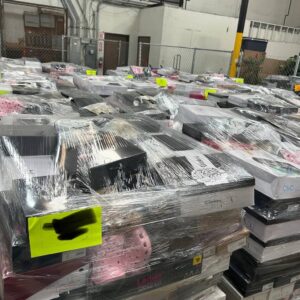
Prudent buyers do not rely on hope; they rely on due diligence and staggered buying. Inspection protocols, such as requesting detailed, high-resolution photos of the actual pallet or even a video call, are essential.
- Staggered Buys: Start with a smaller lot (e.g., 50 units) before scaling to a full truckload. This validates the supplier’s consistency.
- Third-Party Checks: For high-value orders, consider using a third-party inspection service to confirm the inventory count and grade before freight leaves the dock.
This proactive approach builds a trusted working relationship with a supplier and minimizes financial exposure.
Specialized Sneaker Platforms?
Resellers often struggle to choose the best sales channel for their newly acquired liquidation stock. The ideal platform depends entirely on the shoe’s grade and your desired sell-through time.
| Platform Type | Typical Fee Structure | Best For Stock Grade | Average Sell-Through Time |
| High-End (GOAT/StockX) | High commission (approx. 9.5%–14%) | Grade A, verified authentic | 1–4 Weeks |
| Auction/Marketplace (eBay) | Medium commission (approx. 13%) | Grade B/C, volume lots, quick cash flow | 1–2 Weeks |
| Local/B2C (Facebook/OfferUp) | Low/No commission | Grade C, bulk lot deals, non-mainstream models | 1–2 Days |
Understanding these platform nuances helps you segment your inventory right off the pallet, maximizing your overall profit.
How To Buy Jordan Shoes Pallets?
The acquisition process for Jordan liquidation pallets should prioritize authenticity and price efficiency. Verified B2B marketplaces and reputable local liquidators are often the safest bet. We advise buyers to focus on geographic proximity, which dramatically affects transport costs and speed.
According to a 2024 logistics report, transport costs increase by an average of 15% for every 500 miles traveled via LTL freight.
| Acquisition Channel | Proximity Effect | Trust Level | Best for… |
| Local Liquidator (e.g., Largo Pallets) | High cost savings via local pickup | Medium to High (Verify locally) | Consistent supply, fast intake |
| B2B Auction Site | Variable (often distant seller) | Medium (Escrow protection) | High-risk/high-reward rare finds |
| National Broker/Consolidator | Low (shipping from central hubs) | High (Vetted suppliers) | Large, ongoing volume needs |
Check Availability with us to determine the best shipping or local pickup solution for your specific location.
Where To Find The Best Jordan Shoes Pallet Deals?
Finding a Jordan liquidation pallet deal is a function of timing and negotiation. Subscribe to alerts from trusted liquidators like Largo Pallets to receive notifications when high-demand stock is offloaded.
- Off-Peak Buying: Pricing often softens right after major holidays (January, August) or at the very end of a quarter when retailers are rushing to clear warehouse space.
- Negotiate Add-Ons: For large orders, negotiate free pallet wrapping, secure strapping, or a discount on the freight booking.
Manifested Vs. Unmanifested?
The key difference between manifested and unmanifested pallets is the trade-off between price and predictability.
- Manifested Pallets: Inventory is listed item-by-item, providing a clear list of SKUs, sizes, and conditions. They command a higher price but allow for precise revenue modeling and guaranteed value.
- Unmanifested Pallets (Mystery): The contents are unknown or only broadly summarized. They are heavily discounted but rely on luck.
To model revenue for an unmanifested lot, assume a worst-case scenario where only 40% of the inventory is fully sellable and price accordingly.
Tips For First-Time Jordan Pallet Buyers?
Starting with Jordan liquidation pallets can be intimidating, but a clear workflow maximizes your chances of success and speed.
First-Time Buyer Checklist:
- Set a Firm Budget: Only invest what you can afford to have tied up for 30–60 days.
- Verify Supplier: Complete your vendor vetting checklist before sending any payment.
- Plan Delivery: Have your warehouse space, receiving equipment, and labor ready before the truck arrives.
- Establish a Listing Workflow: Create photo templates and listing copy for your platforms to get inventory online within 48 hours of receipt.
What To Do After You Receive Your Pallets?
The race to profit begins the moment the pallet is off the truck. Effective intake procedures separate profitable sellers from slow-moving ones.
- Triage and Log: Immediately count and log the contents against the manifest. Document any significant discrepancies or major damage with photos.
- Grade and Triage: Sort every pair into Grade A, B, or C piles. Focus on listing all Grade A inventory immediately for maximum price capture.
- Photo Set and Storage: Shoot quality photos and then store inventory securely. Advise immediate triage for quick-sell pairs vs. longer holds.
Jordan 1 Wholesale?
The Air Jordan 1 is often the highest-demand, lowest-supply shoe within any liquidation lot. Its demand nuances are unique, heavily influenced by colorway and collaborations.
- Sizing Sweet Spot: The most in-demand sizes (Men’s 8–12) sell fastest and carry the highest premium.
- Colorway Influence: Original, iconic colorways hold value much better than general release or non-OG colorways.
Wholesale Jordans From China?
The risk associated with sourcing wholesale Jordans from China is extremely high due to the overwhelming presence of counterfeit products. While prices may seem low, the risk of a total loss due to customs seizure or customer returns for inauthenticity is often not worth the potential margin.
If you choose this route, rigorous supplier audits, including third-party factory inspection and strict import verification, are mandatory. The U.S. Customs and Border Protection (CBP) maintains strict enforcement on counterfeit goods.
Nike Liquidation Pallets?
Nike liquidation pallets often overlap with Jordan stock, as most liquidators handle both brands from the same retail sources. A mixed-brand pallet can be a strategic advantage because the broad appeal of Nike apparel or less-hyped sneakers can subsidize the cost of the Jordan inventory.
Mixed pallets change your target audience from pure sneakerheads to general fashion resellers. This opens up new, lower-competition sales channels.
What Is Nike Overstock Liquidation?
Overstock liquidation occurs when the supply of a product exceeds the forecasted retail demand, often due to aggressive seasonal buys or slower-than-expected sales.
Selling through older SKUs requires an aggressive pricing strategy. Rather than hoping for high MSRP recovery, focus on pricing for speed to clear warehouse space and free up capital for fresh Jordan stock.
Frequently Asked Questions About Jordan Liquidation Pallets
Where Can I Buy Authentic Jordan Liquidation Pallets For Resale?
You can purchase authentic Jordan liquidation pallets from verified B2B liquidators, such as Largo Pallets, who provide clear manifests and verifiable sourcing documentation from major retailers or authorized distributors. Always begin with a small test lot to confirm authenticity. Reference: U.S. Patent and Trademark Office on Counterfeit Enforcement.
What Is The Difference Between Wholesale Jordan Shoes And Liquidation Pallets?
Wholesale Jordan shoes are purchased directly from the brand or distributor at a fixed, higher price, usually requiring large minimum orders and business contracts. Jordan liquidation pallets are purchased from secondary sources at a deep discount (often 40-70% below wholesale) and are sold “as-is” to clear excess inventory. The margin potential is higher with liquidation. Reference: SBA Guide on Supply Chain Management.
Related products
-
- Sale!
- Shoes
Buy Crocs Wholesale Bulk (100+ Pairs –$250.)
- Original price was: $355.00.$255.00Current price is: $255.00.
- Add to cart
-
- Sale!
- Shoes
Buy Gucci Liquidation Pallets (60 pairs of shoes in one lot-$550)
- Original price was: $650.00.$550.00Current price is: $550.00.
- Add to cart
-
- Sale!
- Shoes
Female Shoes Pallet
- Original price was: $550.00.$400.00Current price is: $400.00.
- Add to cart



Reviews
There are no reviews yet.